It is one of the most common questions we get from parents: “How many swings should my kid be taking each week?” It makes sense — you want to help your hitter improve, but you also do not want to burn them out or waste your evenings. The honest answer is that it is not just about the number. It is about the quality behind each swing.
At Cage Time in Acworth, we have helped hundreds of young hitters find the right amount. Let’s break it down so you can build a plan that actually works for your family and your kid’s schedule.
Quality Beats Quantity Every Time
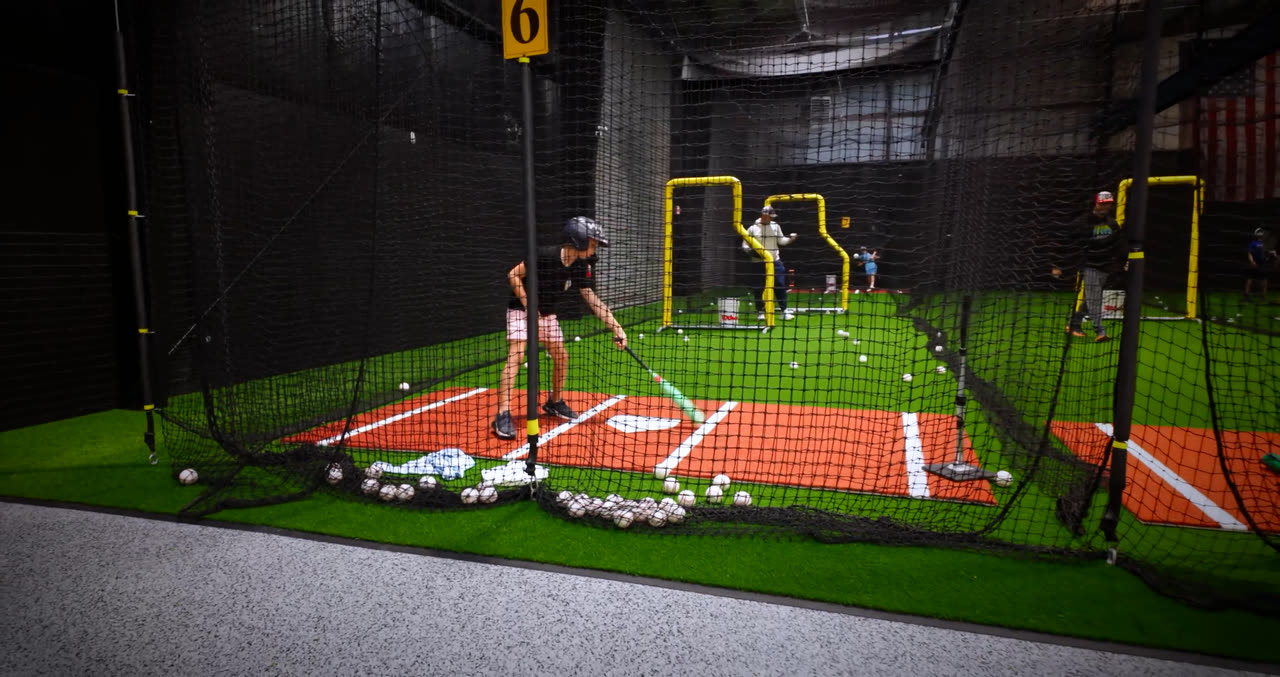
Here is the truth that surprises a lot of parents: a hitter who takes 50 focused, purposeful swings will improve faster than one who mindlessly hacks at 300 balls. Sloppy reps build sloppy swings, and they are hard to unlearn later.
Your hitter’s brain and muscles are memorizing every swing they take — good or bad. That means the goal is not just more swings, it is more good swings. Every lazy rep is teaching the wrong lesson. When we train hitters in our cages, we would rather see a great 40-swing session than a tired, careless 200. If you only remember one thing from this article, make it this: protect the quality of the swing above all else, and the results will follow.
A Simple Weekly Guideline
While every kid is different, here is a general range that works well for most youth hitters during the season and in the off-season.
- Ages 8–10: around 100–150 quality swings per week, spread across 2–3 sessions
- Ages 11–13: around 150–250 quality swings per week across 3–4 sessions
- Ages 14 and up: 250–400 quality swings per week, depending on their goals and schedule
Notice the word “quality” in every line. These numbers assume focused reps with a purpose, not just going through the motions. And these swings can be split between tee work, front toss, and live cage time. Think of them as a target to aim for, not a rule to stress over — a busy week with a couple of great sessions is far better than forcing a number and grinding your kid down.
In-Season vs. Off-Season
The right number also shifts depending on the time of year. During the season, your hitter is already getting live at-bats in games, so cage work should sharpen what is working and fix small issues — not add a mountain of extra fatigue. In-season, think maintenance and tune-ups, not overhauls.
The off-season is when the bigger gains happen. With no games on the calendar, your hitter has room to build strength, rework mechanics, and stack up quality reps without the pressure of Saturday’s lineup. Winter is where next spring’s breakout is built. A smart plan leans heavier on volume in the off-season and lighter, sharper work once games begin.
Why Spreading Swings Out Matters
Taking 200 swings in one marathon session is not nearly as helpful as spreading them across a few days. Muscles learn best with rest in between, and a tired hitter starts building bad habits once fatigue sets in. Three short sessions beat one long grind almost every time.
Spacing swings out also keeps hitting fun instead of feeling like punishment. A kid who leaves the cage wanting more comes back sharp and eager. A kid who leaves exhausted starts dreading it. We want your hitter to love the process — that is how they stick with it for years, and how a good young hitter becomes a great older one.
How to Make Every Swing Count
So how do you make sure those swings are actually quality? A few simple habits go a long way:
Give Every Swing a Purpose
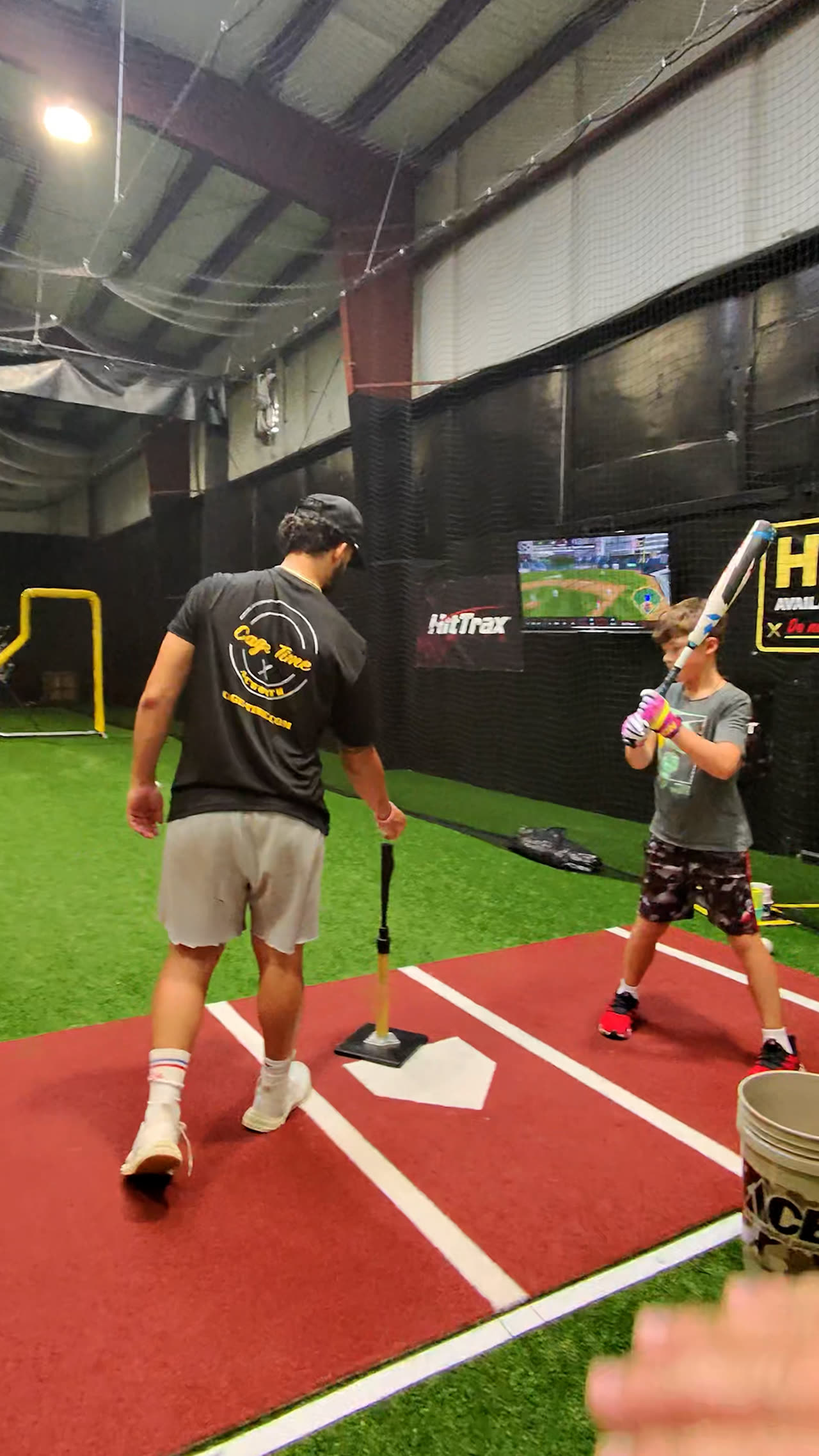
Before each round, your hitter should know what they are working on — driving the ball up the middle, staying inside the ball, or hitting line drives off the tee. A swing with a goal is worth ten without one.
Use Data to Stay Honest
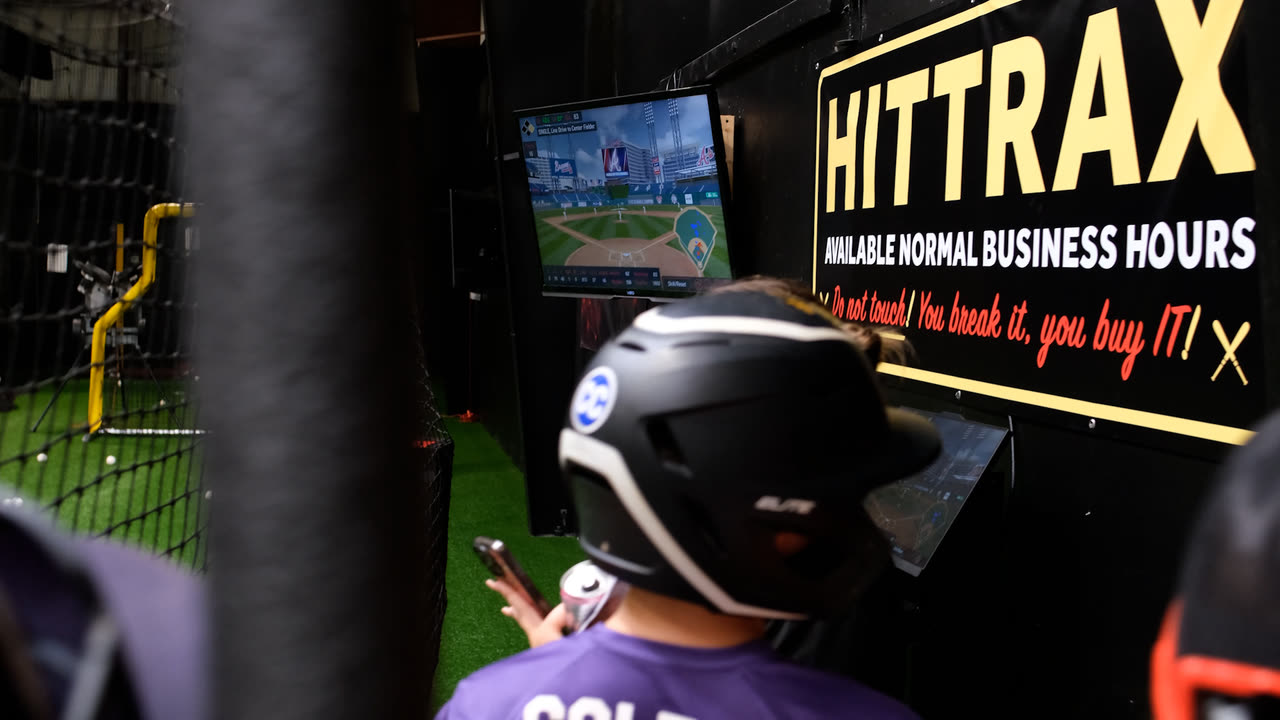
Our HitTrax simulators show exit velocity and launch angle on every swing, so your hitter can instantly see whether a rep was good or just okay. Data keeps focus high because the screen does not let anyone coast.
Rest When the Swing Gets Sloppy
When mechanics start falling apart, it is time to stop. Pushing through fatigue only trains bad habits. It is better to end on ten strong swings than to grind out thirty ugly ones.
Watch for Signs of Burnout
More is not always better, and one of the most important jobs a parent has is knowing when to pull back. Kids do not always tell you they are worn down — sometimes it shows up in their swing or their attitude first. Keep an eye out for these signs:
- The swing gets noticeably sloppier late in a session
- Your hitter dreads going to the cage instead of looking forward to it
- Complaints of sore hands, wrists, or a tired back
When you see these, a day of rest is not a setback — it is part of the plan. A fresh, motivated hitter improves faster than a burned-out one. Protecting your kid’s love of the game is the smartest long-term move there is.
Where the Cage Comes In
Getting consistent, quality swings is a lot easier when you have a space built for it. With our hourly cage rentals, Hack Attack pitching machines, and HitTrax simulators, your hitter can get exactly the reps they need in a focused environment — rain or shine, any time of year. No hunting for a field, no waiting on the weather.
And if you want to make sure every swing is truly building the right habits, our private one-on-one lessons help your hitter get the most out of every single rep. Members even get 25% off extra cage rentals, so those weekly swings add up without breaking the bank.
Remember our mantra: the difference is just 1% better every day. It is not about cramming in swings — it is about getting a little bit better, consistently, over time.
Get the Right Reps — Book Your Cage Today
Whether your hitter needs 100 swings a week or 300, we will help you make every one of them count. Book Your Cage — call or text us at (770) 779-9462 or visit cage-time.com. Find us at 4946 Cobb Pkwy NW in Acworth, GA. We proudly serve hitters across Acworth, Kennesaw, Woodstock, and all of Cobb County. Greatness happens in the cage — come get 1% better with us today.
Ready to get 1% better?
Book a cage, a lesson, or a membership at Cage Time Acworth.
Book Your Cage