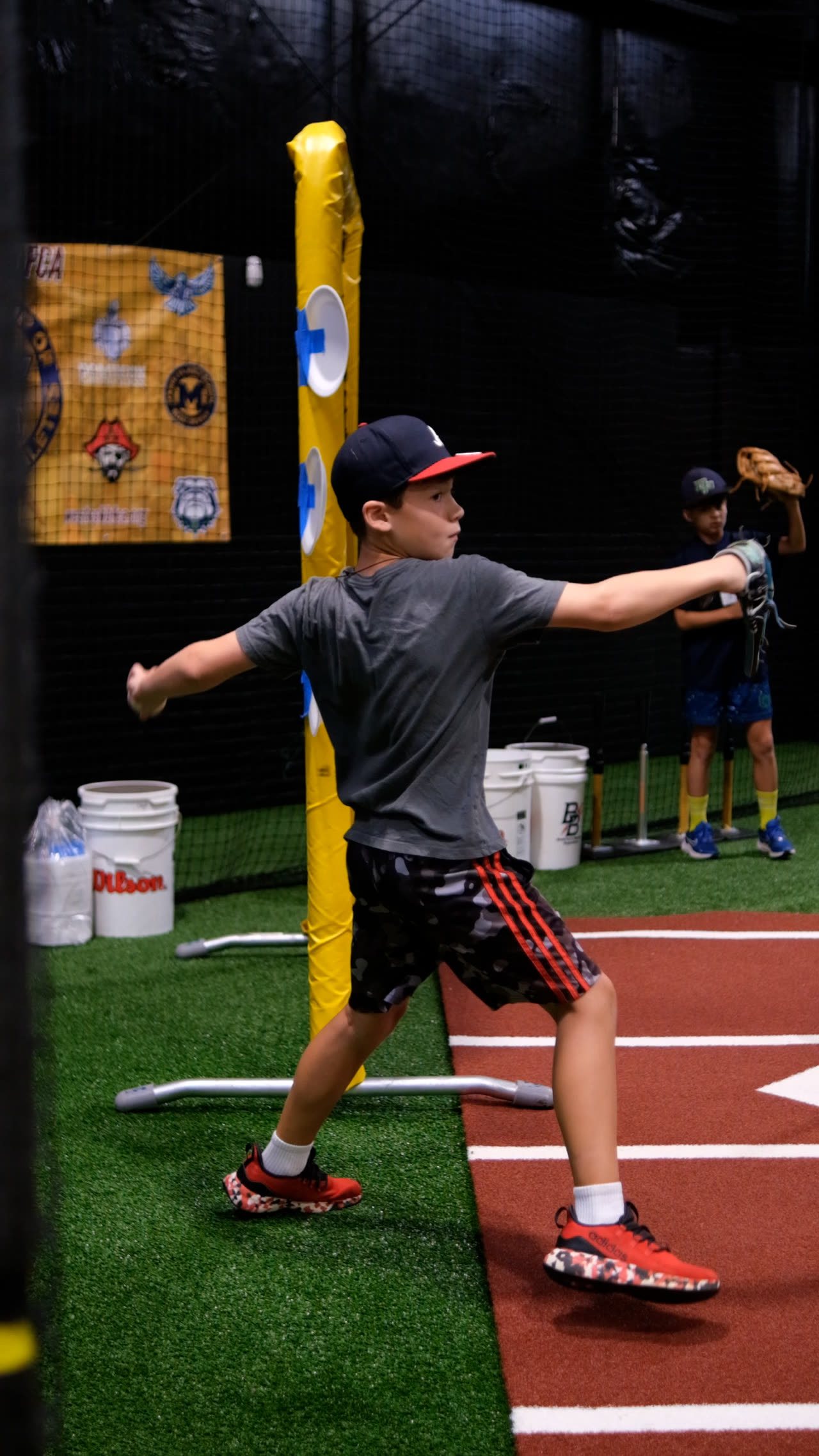
If you are a baseball or softball parent, you have probably felt that little pit in your stomach when your kid grabs their throwing shoulder or elbow after a long game. Arm injuries in young players are more common than ever, and it can be scary. The great news? Most young arm injuries are completely preventable.
At Cage Time, we care just as much about keeping your player healthy as we do about helping them throw hard. A strong arm is worth nothing if it is sitting on the bench in a sling. So let’s talk about how to build a durable, healthy young arm the right way.

Why Young Arms Get Hurt
Kids’ bones, muscles, and growth plates are still developing, which means their arms are more fragile than an adult’s. Most injuries do not come from one bad throw. They come from too much throwing with too little rest. This is called overuse, and it is the number one enemy of young arms.
Add in a few other risk factors and trouble starts brewing. Throwing while tired, playing on multiple teams at once, and skipping proper warmups all pile on the stress. A tired arm is an arm asking to get hurt. The fix is not to throw less forever. It is to throw smarter.
One trend we see hurting kids the most is early single-sport specialization. A player who pitches year-round with no break never gives those growth plates a chance to recover. Playing a second sport, or simply taking a real off-season, is one of the best things you can do for a young arm. Variety keeps the body balanced and gives the throwing muscles a rest they badly need.
The Golden Rules of a Healthy Arm
We keep our arm-care advice simple so busy families can actually follow it. Here are the rules we live by:
- Respect pitch counts: Follow age-based pitch limits and count throws, not just innings.
- Rest is training too: Arms get stronger during rest, not just during work. Days off matter.
- No pitching through pain: Soreness is okay. Sharp pain is a stop sign, always.
- Take a season off the mound: Young pitchers need a few months a year without competitive pitching.
- Hydrate and sleep: A rested, fueled body recovers faster and holds cleaner mechanics.
These are not fancy secrets, but you would be surprised how often they get ignored. Following these rules alone prevents the majority of arm problems we see. Boring habits build unbreakable arms.
Warm Up Like It Matters, Because It Does
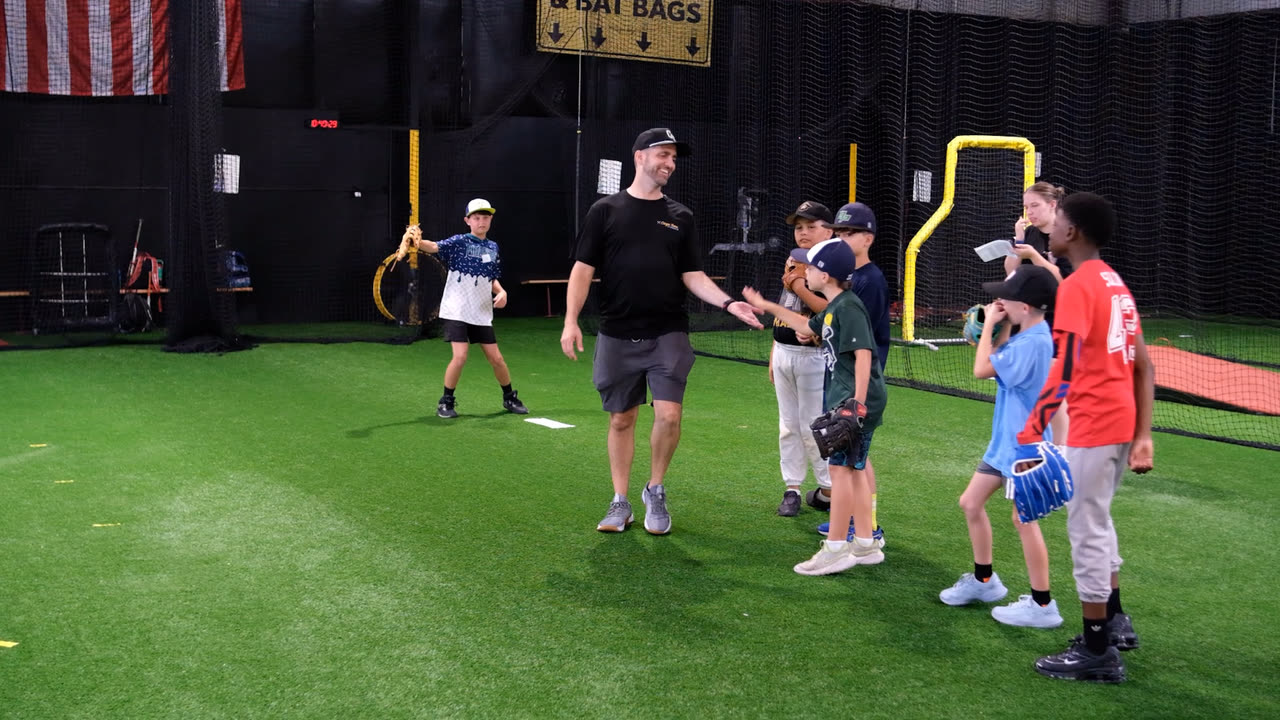
You would never sprint a car engine the second you start it on a cold morning. Your player’s arm works the same way. A proper warmup gets blood flowing and loosens the muscles before any hard throwing begins.
A good pregame routine includes light jogging, arm circles, band work, and easy catch that slowly builds up in distance and intensity. This takes about ten to fifteen minutes, and it makes a huge difference. A warm arm is a safe arm. Skipping this step to save time is a trade that is never worth it.
Strength Is the Secret to Durability
Here is something a lot of families miss. A healthy throwing arm is not just about the arm. It is about the whole body working together. Strong legs, a solid core, and stable shoulders take stress off the elbow and let your player throw hard without breaking down.
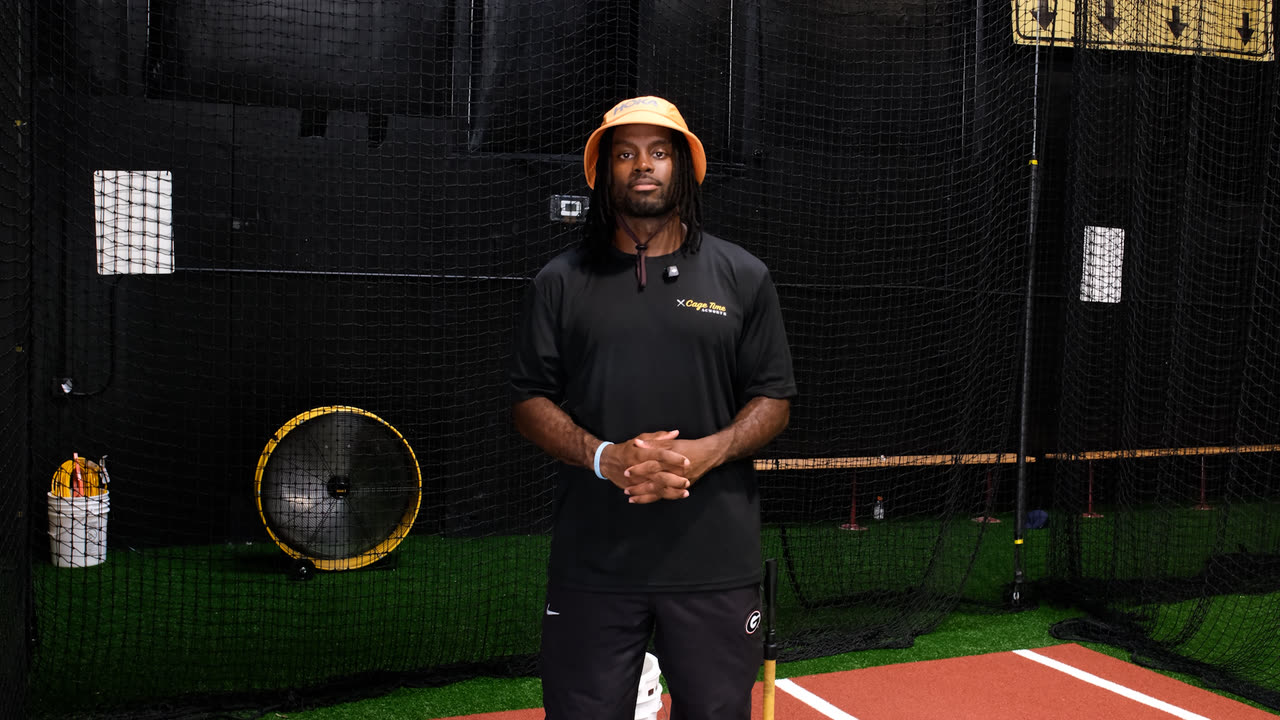
This is exactly why we are so excited about our brand-new weight room and our speed and agility training led by Quincy, a former NFL athlete who just joined our team. Quincy helps young players build the athletic strength and stability that protects their arms for the long haul. When the big muscles do their job, the little joints stop paying the price. Age-appropriate strength training is one of the best injury shields there is.
Build Better Mechanics in the Cage
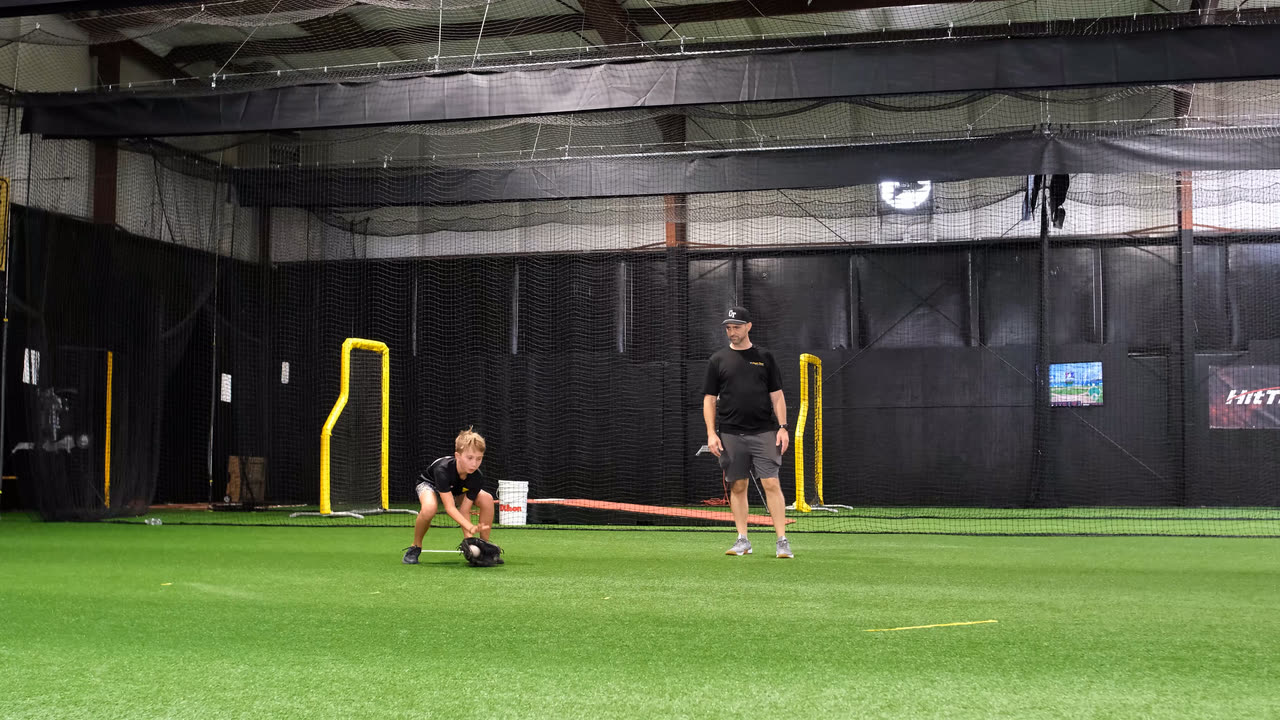
Sloppy throwing mechanics put extra strain on young arms. When a player yanks the ball, throws all arm with no legs, or lands off balance, the elbow and shoulder eat all that stress. Clean, efficient mechanics spread the work across the whole body.
In our indoor cages, we can work on throwing mechanics in a controlled space, rain or shine. Our coaches watch closely, make small tweaks, and help your player build a smooth, repeatable motion that is both powerful and safe. We would rather teach it right now than fix an injury later. Good mechanics are the cheapest insurance in baseball.
Know the Warning Signs Before They Become Injuries
The smartest families catch arm trouble early, before it turns into a long layoff. Your player cannot always tell you in words that something is wrong, so it helps to know what to watch for. Keep an eye out for these red flags:
- A drop in velocity: When the ball suddenly loses its zip, the arm may be fatigued or hurting.
- Loss of control: Throws that start sailing or bouncing can mean the arm is compensating for pain.
- Rubbing or shaking the arm: Kids often do this without even realizing it.
- Not wanting to throw: A player who suddenly dreads throwing may be protecting a sore arm.
If you notice any of these, the answer is simple: rest first, then get it checked if it lingers. A few days off now can save a whole season later. There is never a game important enough to risk your player’s long-term health.
Listen to Your Player
The last piece is simple but powerful. Talk to your player and teach them to be honest about how their arm feels. Kids often hide soreness because they do not want to come out of a game. Make it safe for them to speak up. Remind them that resting a sore arm today means playing a full, healthy season tomorrow. Being tough does not mean pitching through real pain.
Ready to Build a Strong, Safe Arm? Book Your Cage
Help your player throw hard and stay healthy for years to come. Come see us for throwing lessons, mechanics work, and strength training that protects young arms the right way. Book Your Cage today by calling or texting (770) 779-9462, visiting cage-time.com, or stopping by 4946 Cobb Pkwy NW in Acworth, GA. Find us at @cagetimeacworth. We proudly serve baseball and softball families across Acworth, Kennesaw, Woodstock, and all of Cobb County. Greatness happens in the cage, and healthy arms start here.
Ready to get 1% better?
Book a cage, a lesson, or a membership at Cage Time Acworth.
Book Your Cage