Few things are more frustrating for a young hitter than watching ball after ball float lazily into the air. You know they can hit it hard — so why does the barrel keep getting under it? Popping up is one of the most common problems we see, and the great news is that it is almost always a quick fix once you know the cause.
At Cage Time in Acworth, we help kids trade weak pop-ups for hard line drives every single week. Let’s walk through why it happens, exactly how we solve it, and what you can watch for as a parent so you know the fix is working.
What a Pop-Up Really Means
A pop-up happens when the bat hits the bottom half of the ball with an upward, slicing motion. Instead of driving through the ball, the barrel scoops under it and sends it straight up. The ball goes high, not far, and usually right into a glove.
Here is the encouraging part for parents: a pop-up is a timing and path problem, not a strength problem. Your hitter is strong enough. The barrel is just arriving in the wrong spot. Once we clean up the path, that same power starts producing screaming line drives instead. That is why we never tell a kid they are “weak” for popping up — the energy is already there, we just need to aim it through the middle of the ball instead of under it.
The Three Most Common Causes
When a hitter comes to us stuck in a pop-up habit, the reason is almost always one of these three things.
1. Dropping the Back Shoulder Too Much
When a hitter dips their back shoulder way down, the bat travels on a steep uphill angle. That upward chop is a pop-up waiting to happen. A little tilt is natural, but too much sends the barrel scooping under the ball. You will often see this in kids who are trying to hit home runs — they think dropping the shoulder adds lift, when it actually just adds pop-ups.
2. Casting the Hands
Casting is when the hands drift away from the body at the start of the swing, sweeping the bat out in a long loop. This makes the barrel dive under the ball and come up late. A tight, direct path to the ball fixes it fast. A simple cue we use is “keep your hands in the phone booth” — a small, compact start that keeps the barrel on a shorter, more powerful path.
3. Swinging Under the Ball
Sometimes a hitter simply misjudges where the ball is and aims too low. Their eyes and their swing are not matched up yet. This one is all about training the hitter to track the ball better and trust their level swing. It is especially common when a kid moves up to faster pitching and has not adjusted their timing yet.
How We Fix It in Our Cages
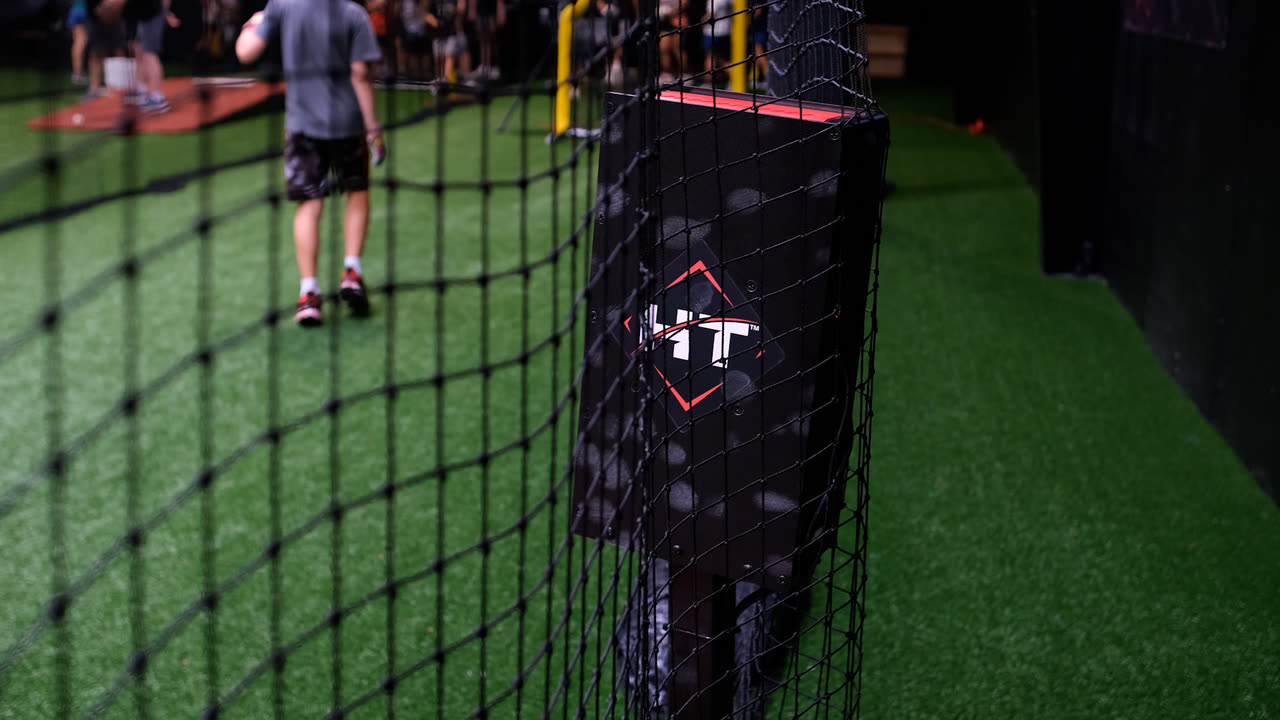
The best part about fixing pop-ups is that we can measure the change immediately. Using our HitTrax simulators, we watch the launch angle and contact point on every swing, so we are never guessing. The screen shows us the exact moment the fix clicks.
Here are a few of the go-to drills we use:
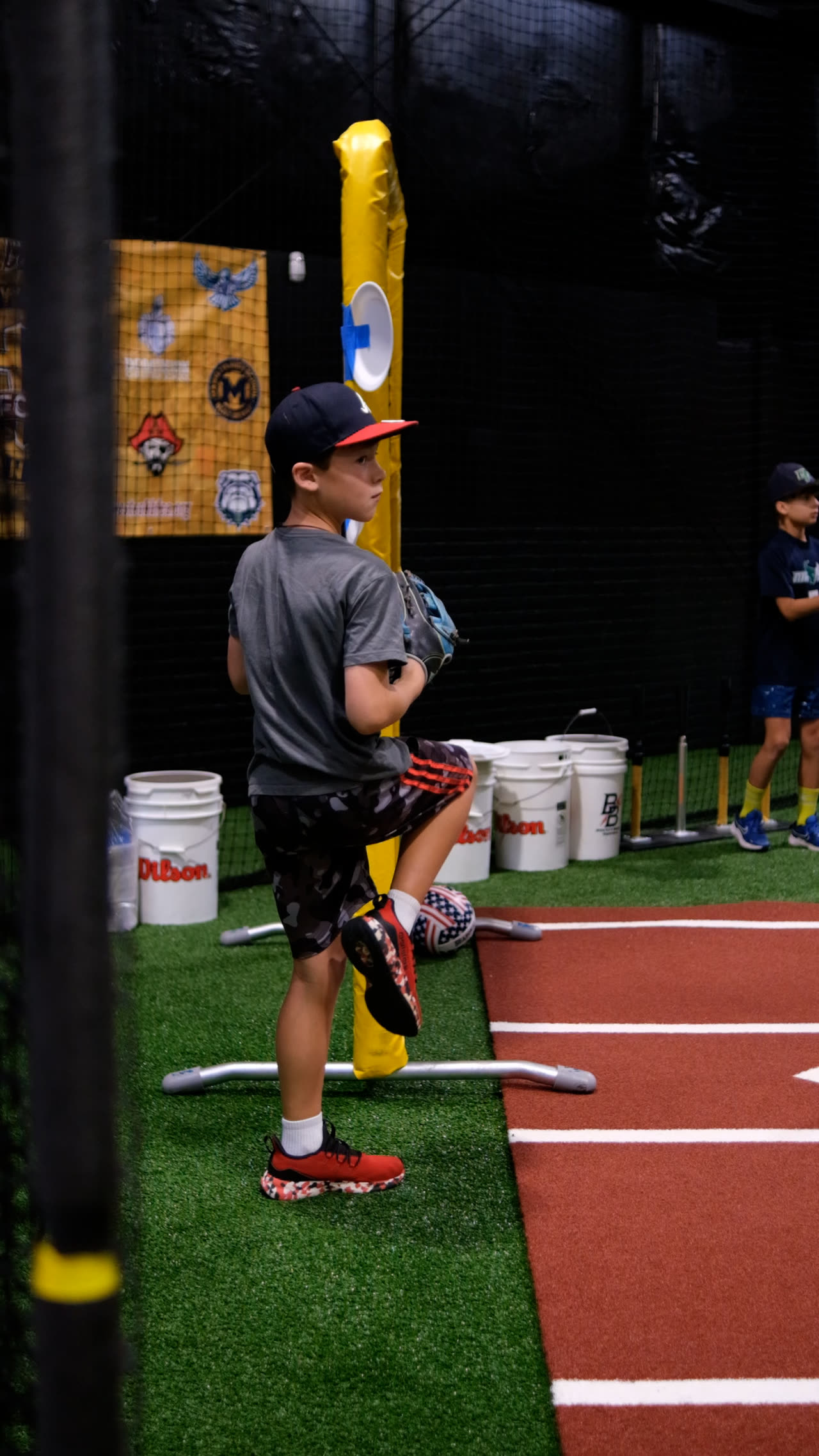
- High-tee level drill — we set the tee a little high and ask the hitter to hit line drives, teaching them to stay on top of the ball.
- Two-ball drill — we stack the focus on the top half of the ball so the barrel learns to drive through, not under.
- Short front toss — soft, controlled tosses let the hitter groove a flat, powerful path without rushing.
- Top-hand finish drill — we cue the hitter to finish with the barrel driving through the middle of the ball, not scooping up under it.
A few good reps and the pop-ups start turning into rockets.
Why Data Makes the Fix Stick
Telling a kid to “stop popping up” almost never works — they cannot feel what they cannot see. That is where our HitTrax swing data changes everything. When your hitter watches the launch angle drop from a weak 45 degrees into the sweet line-drive range, the lightbulb goes on and they own the fix themselves.
Numbers turn a vague problem into a clear target. Kids love beating their old numbers, and that motivation is what makes the new swing permanent instead of a one-day fluke. Instead of you reminding them at every practice, the screen does the reminding — and the change comes from the inside, which is the only place it ever really sticks.
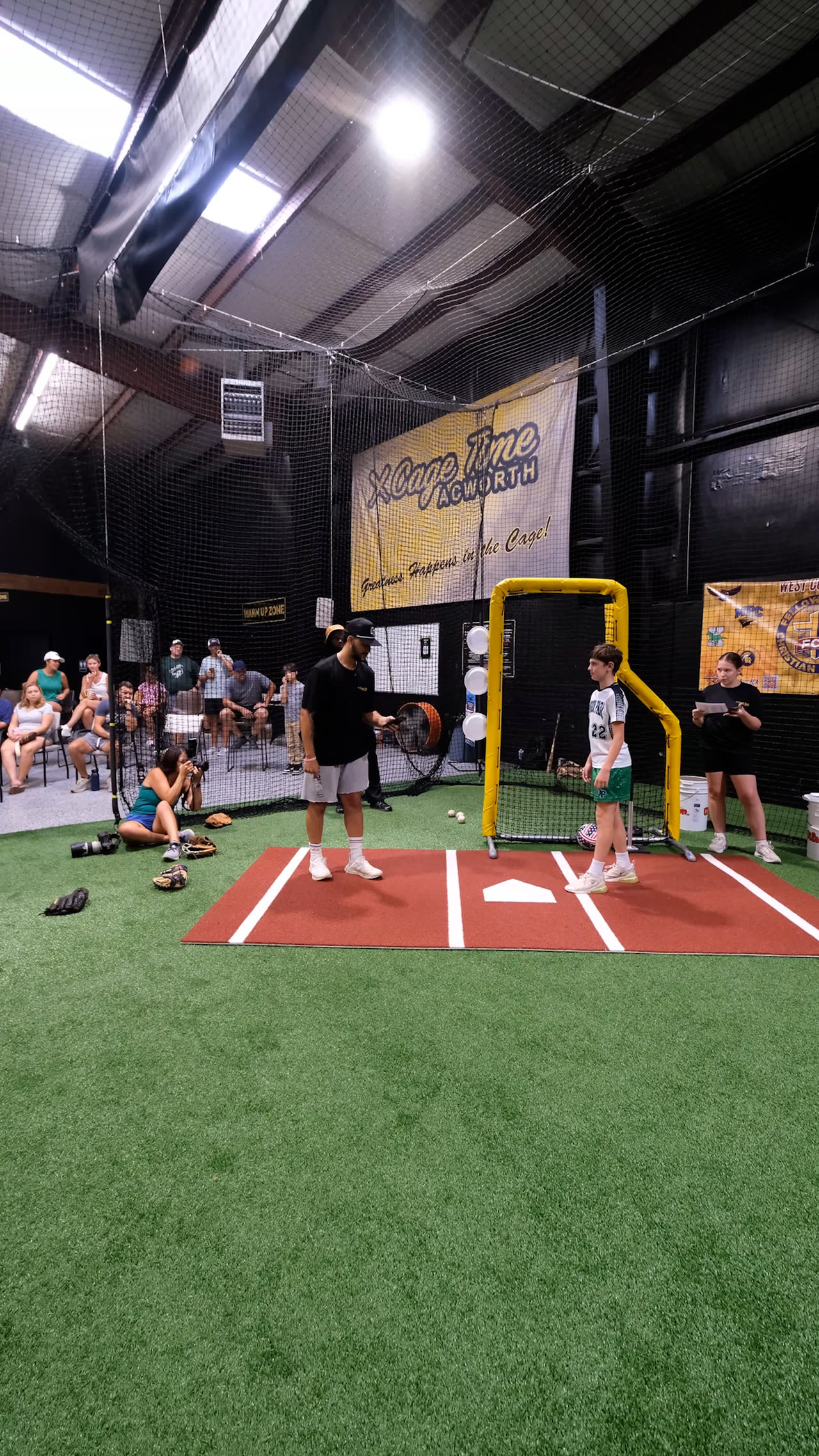
What Parents Can Watch For
You do not need a launch monitor at every game to know things are heading the right way. There are simple signs you can spot from the bleachers that tell you the swing is getting better.
- More line drives — the ball is leaving the bat on a lower, harder path instead of climbing into the sky.
- A quieter start — the hands stay compact and the shoulder stays more level as the swing begins.
- Louder contact — that flush “crack” you hear on a true line drive is the sound of the barrel meeting the middle of the ball.
When you see these, cheer them on — progress you can notice is progress that keeps a kid motivated. Positive feedback from a parent goes a long way toward making the new swing feel natural.
A Little Coaching Goes a Long Way
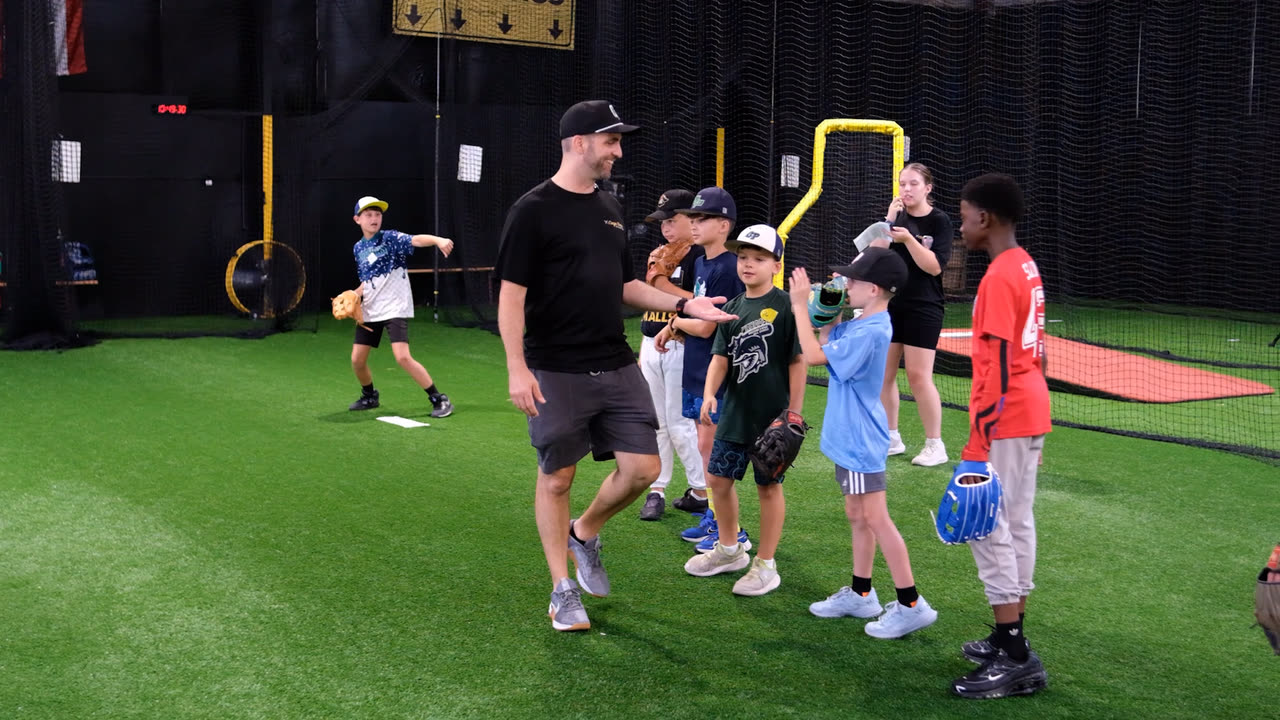
Some pop-up habits are stubborn, especially if a hitter has been swinging that way for a season or two. That is when a few private lessons make all the difference. One-on-one, our coaches can spot the exact moment the swing goes wrong and give your hitter simple cues they can repeat on their own. Personal attention turns a frustrating slump into a fast breakthrough.
And remember our mantra — the difference is just 1% better every day. We do not overhaul the whole swing overnight. We fix one small thing at a time until the line drives feel automatic.
From Pop-Ups to Line Drives — Book Your Cage Today
If your hitter is stuck popping the ball up, we can help them break the habit fast with real data and expert coaching. Book Your Cage — call or text us at (770) 779-9462 or head to cage-time.com. Find us at 4946 Cobb Pkwy NW in Acworth, GA. We proudly help hitters across Acworth, Kennesaw, Woodstock, and all of Cobb County swing with more confidence. Greatness happens in the cage — come see the difference 1% better every day can make.
Ready to get 1% better?
Book a cage, a lesson, or a membership at Cage Time Acworth.
Book Your Cage