Your phone buzzes with another travel-ball invite. A coach pulls you aside after the game and says your kid “has real potential” if they’ll just commit to baseball full-time. Suddenly you’re staring down a decision that feels way bigger than it should for a 9-year-old. Should your child specialize in baseball right now? Take a deep breath, parent. We coach kids every single day, and we’re going to give you our honest, no-hype answer.
The Short Answer: Not Yet
We’ll be straight with you. For most 9-year-olds, locking into one sport year-round is not the move. At this age, a child’s body and brain are still figuring out how to move, balance, sprint, jump, and react. Those are the building blocks of every sport, including baseball. When a kid only plays baseball, they practice a narrow set of movements over and over. That can actually slow down their all-around athleticism.
Think of it like eating. A growing kid needs a full plate, not just one food group. Playing basketball, soccer, or even just running around the yard builds muscles and skills that make them a better ballplayer later on. A basketball player learns to change direction. A soccer player builds footwork and endurance. Every one of those secretly makes a better hitter and baserunner.
And here’s the part nobody tells you at the tryout: a 9-year-old’s coordination is changing month to month. The kid who looks “behind” today might be the one who takes off at thirteen because their body finally caught up. Locking them into one lane too early can hide that late bloom instead of letting it happen.
What the Research (and Our Gym) Actually Shows
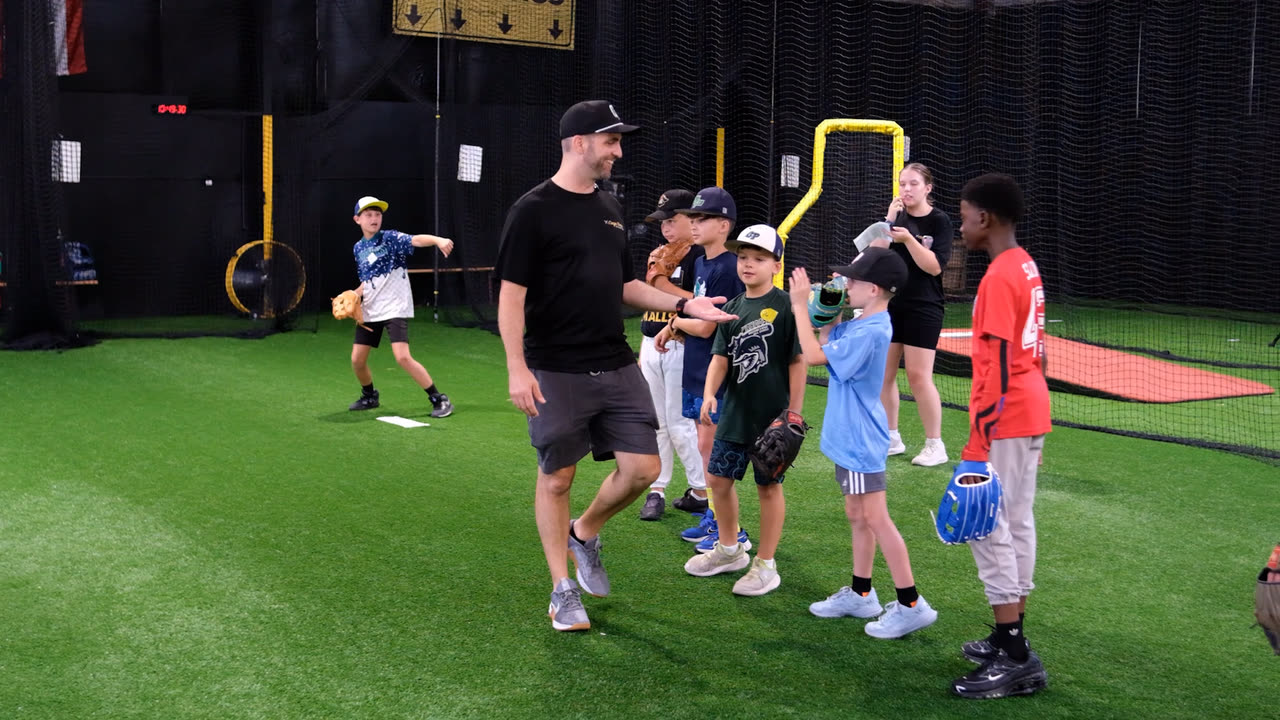
Study after study on young athletes points the same direction, and honestly, so does what we see on our own cages. The kids who stay well-rounded early tend to stick with sports longer and get hurt less. Here’s why that matters for your family:
- Fewer overuse injuries. Young arms that throw year-round can develop elbow and shoulder problems. Rest and variety protect them.
- Less burnout. A kid who does one thing every day for years often wakes up at 13 and says, “I don’t want to play anymore.”
- Better overall athletes. Multi-sport kids usually have quicker feet and stronger bodies when it counts most.
- Sharper minds for the game. Different sports teach different ways to read a play, and that awareness carries right back onto the diamond.
The pros back this up too. A huge number of MLB players grew up playing two or three sports. Specializing early is rarely the secret sauce parents are told it is. Some of the best arms in the league were quarterbacks and point guards first. That cross-training built the engine that their baseball talent now runs on.
We see the same story on a smaller scale right here in the cages. The kids who move well, who can stop, start, and explode, pick up hitting mechanics faster because their bodies already know how to fire in the right order. Athleticism first, specialization later. That’s the pattern that keeps showing up.
So When Does Specializing Make Sense?
We’re not anti-baseball. Obviously we love the game. Most experts, and we agree, say the sweet spot for narrowing down to one sport is closer to 15 or 16 years old. That’s when a teen’s body is more developed and they can handle the heavier training load. It’s also when they can make the choice for themselves instead of a coach or parent making it for them.
Signs Your Kid Might Be Ready Sooner
Every child is different. A few signs your older kid may be ready to lean in harder:
- They ask to practice on their own, without you pushing.
- They light up talking about the game, not just game day.
- They’re staying healthy and handling their current schedule with energy to spare.
- They set their own little goals, like adding velocity or beating a swing score.
Notice the theme? The passion comes from them. When you have to drag a kid to the field, that’s your answer, and it’s not “more baseball.” But when a teenager is texting you asking to book a cage before you even bring it up, that’s a very different signal, and it’s worth listening to.
The Smarter Play: Focused Reps Without Full Specialization
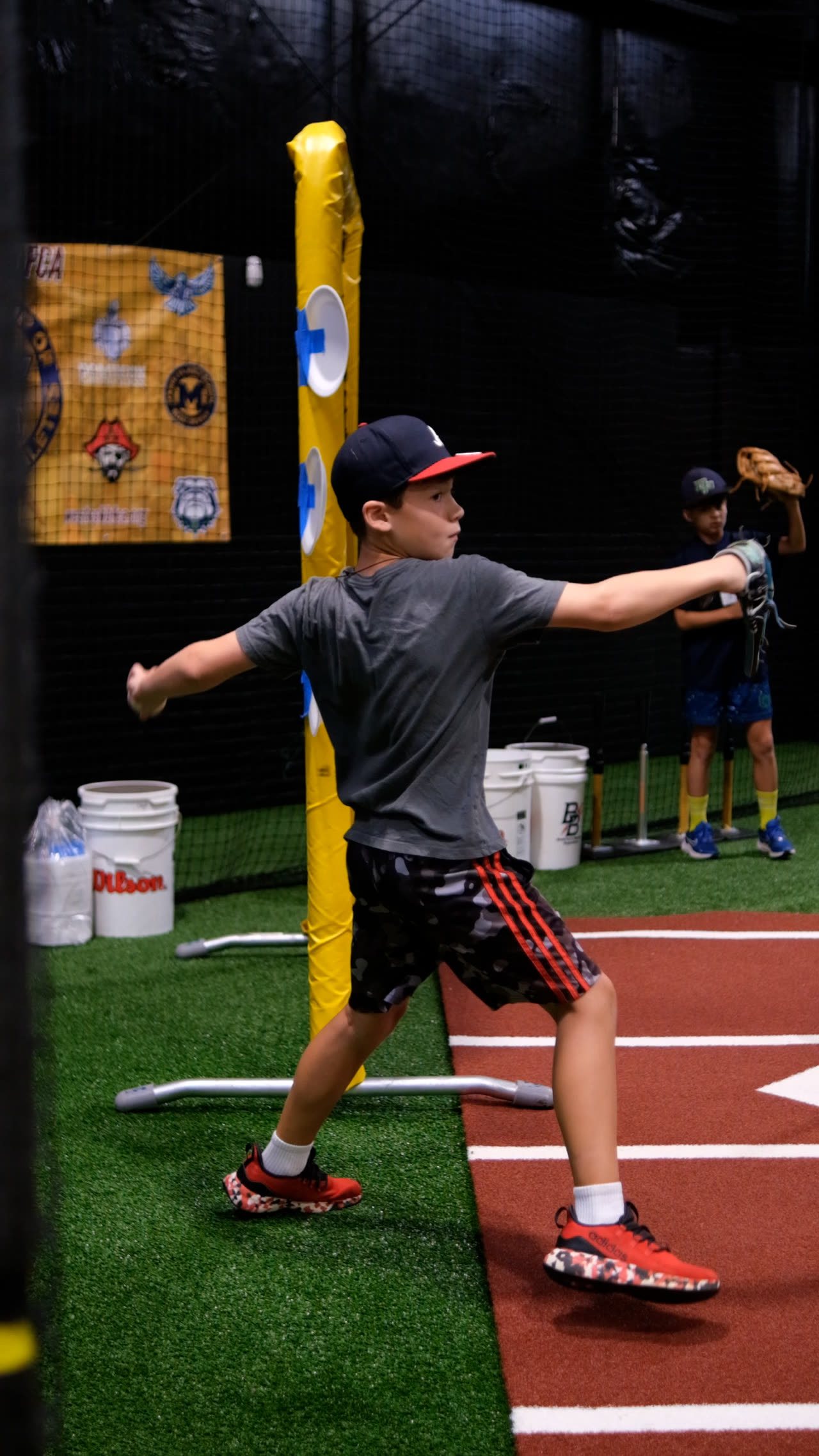
Here’s the good news, and this is where we can really help. Your 9-year-old can absolutely get better at baseball without playing it 24/7. The trick is quality over quantity. A couple of focused sessions a week beats seven days of grinding.
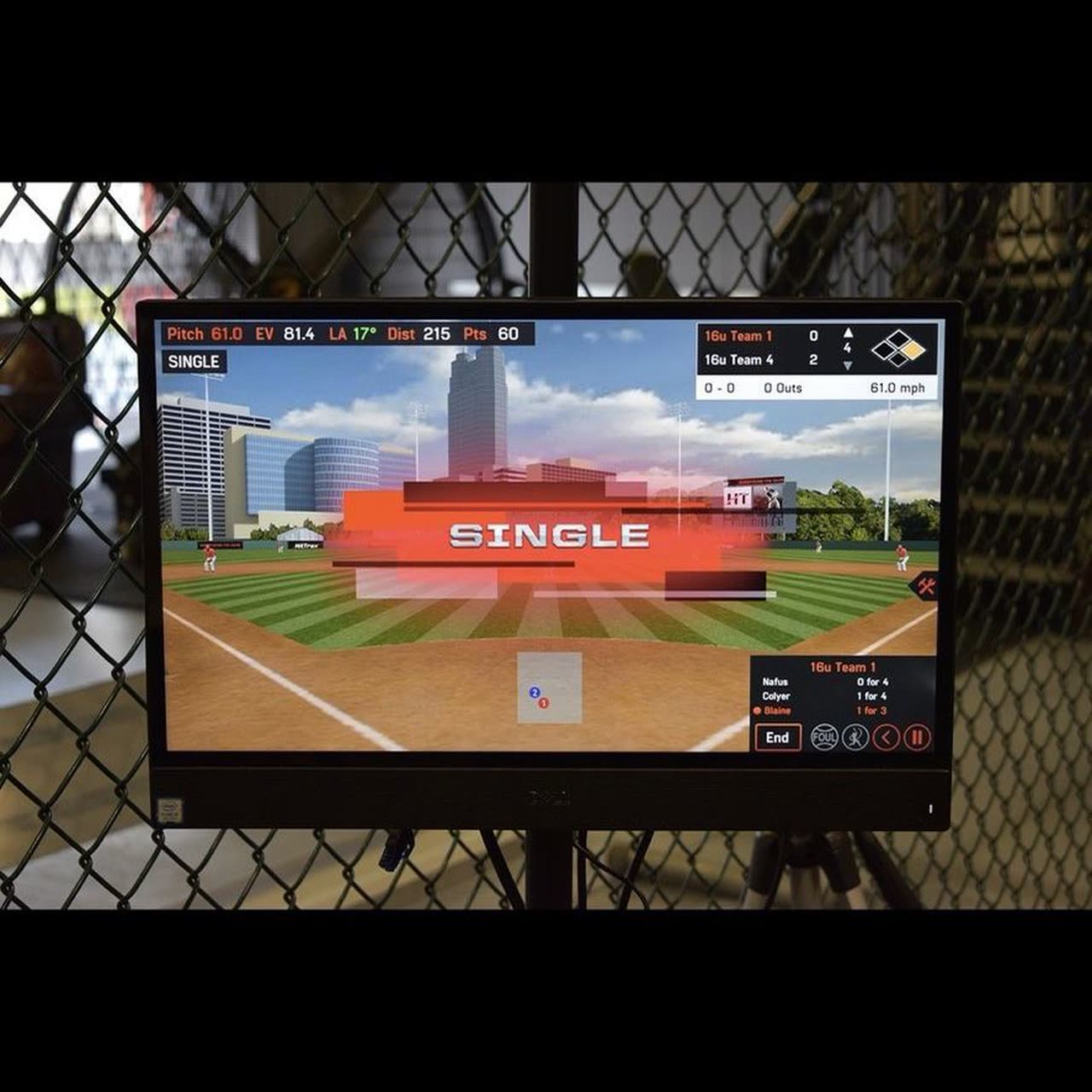
At Cage Time, a kid can hop into a batting cage, take real swings on our HitTrax simulators, and actually see their swing data light up on the screen. It turns practice into a game. They can face our Hack Attack pitching machines to build confidence in the box, then go be a normal kid the rest of the week. That balance is the 1% better approach, small, steady gains that add up big without the burnout.
And when your child is ready for more, our private 1-on-1 lessons meet them right where they are. No pressure, no rush, just a coach in their corner helping them fall more in love with the game. A focused half-hour with a coach who’s paying attention beats hours of aimless swinging every time. That’s how a young player builds real habits instead of just logging tired reps.
Keep the Whole Athlete Growing
Even if your family loves baseball most, you can still feed the all-around athlete underneath the ballplayer. That’s actually the long game that pays off. A stronger, faster, more coordinated body makes every baseball skill easier to learn when the time comes.
That’s part of why we built more than just cages. Our new weight room and our speed and agility training with Coach Quincy, a former NFL athlete, help kids build the engine that powers the game, without hammering the same throwing motion over and over. A little speed work, some age-appropriate strength, and plenty of fun movement keeps a young player developing everywhere at once.
- Speed and agility that translate to stealing bases and chasing down fly balls.
- Body control that makes hitting mechanics click faster.
- Strength built safely, at the right age, the right way.
This is how you develop a kid who’s good at baseball because they’re a good athlete, not the other way around.
What This Means for You as a Parent
You want to do right by your kid. That instinct is exactly why you’re reading this. So here’s our coach-to-parent advice: let a 9-year-old be a 9-year-old. Encourage lots of movement and lots of sports. Keep baseball fun. Protect their arm and their joy for the game.
If they love hitting, give them a place to hit that feels exciting, not like a job. If they want to try soccer this fall, cheer them on. The goal isn’t a scholarship at age nine. The goal is a kid who still loves the game at sixteen, healthy, hungry, and ready to chase it. Play the long game with your young player, and the results tend to take care of themselves.

Ready to Keep the Game Fun? Book Your Cage
Whether your young player is a die-hard or just dipping their toes in, we’ll help them get 1% better every day at a pace that fits your family. Because greatness happens in the cage, and it starts with a kid who still loves to show up. Book Your Cage today, call or text us at (770) 779-9462 or visit cage-time.com. We proudly serve families in Acworth, Kennesaw, Woodstock, and all across Cobb County. Come see us at 4946 Cobb Pkwy NW, Acworth, GA, and follow along @cagetimeacworth.
Ready to get 1% better?
Book a cage, a lesson, or a membership at Cage Time Acworth.
Book Your Cage