Every parent knows the sinking feeling. Your kid is having a great game, then they reach for a ball, grab their shoulder, and limp off the field. Most youth baseball injuries aren’t from freak accidents. They come from cold muscles being asked to do explosive things. The fix is simpler and cheaper than you’d think, and it happens before the first pitch is ever thrown. It’s the warm-up. And not just any warm-up, but real mobility work that prepares the body to move. Mobility comes before muscle, always.
The good news is that a great warm-up doesn’t require any special equipment or a ton of time. It just requires knowing what to do and building the habit of doing it. Once your player learns the routine, it becomes second nature, and it protects them for the rest of their playing days.
Why Warm-Ups Matter More Than You Think
A lot of players treat the warm-up as something to rush through so they can get to the fun stuff. Big mistake. A proper warm-up is your first line of defense against injury. Cold, tight muscles are like a rubber band left in the freezer. Ask them to snap into action and they can tear. Warm, mobile muscles stretch and move the way they’re supposed to.
But here’s the bonus that a lot of families miss: a good warm-up doesn’t just prevent injury, it actually helps players perform better. Loose, ready muscles produce more power and quicker reactions right from the first inning. Warm bodies win early. So the warm-up isn’t wasted time. It’s an investment in a healthier, better game.
Think about how many big plays happen in the very first inning. A cold player who isn’t ready gives up ground on those early moments, or worse, tweaks something reaching for a ball their body wasn’t prepared to chase. A warmed-up player is dangerous from the first pitch, and that’s a real competitive edge.
Mobility vs. Stretching: Know the Difference
This trips people up, so let’s make it clear. The old-school move was static stretching, where you hold a stretch for 30 seconds, like reaching for your toes and holding it. It turns out that doing this before activity can actually make muscles a little sleepy and reduce power. Not what you want before a game.
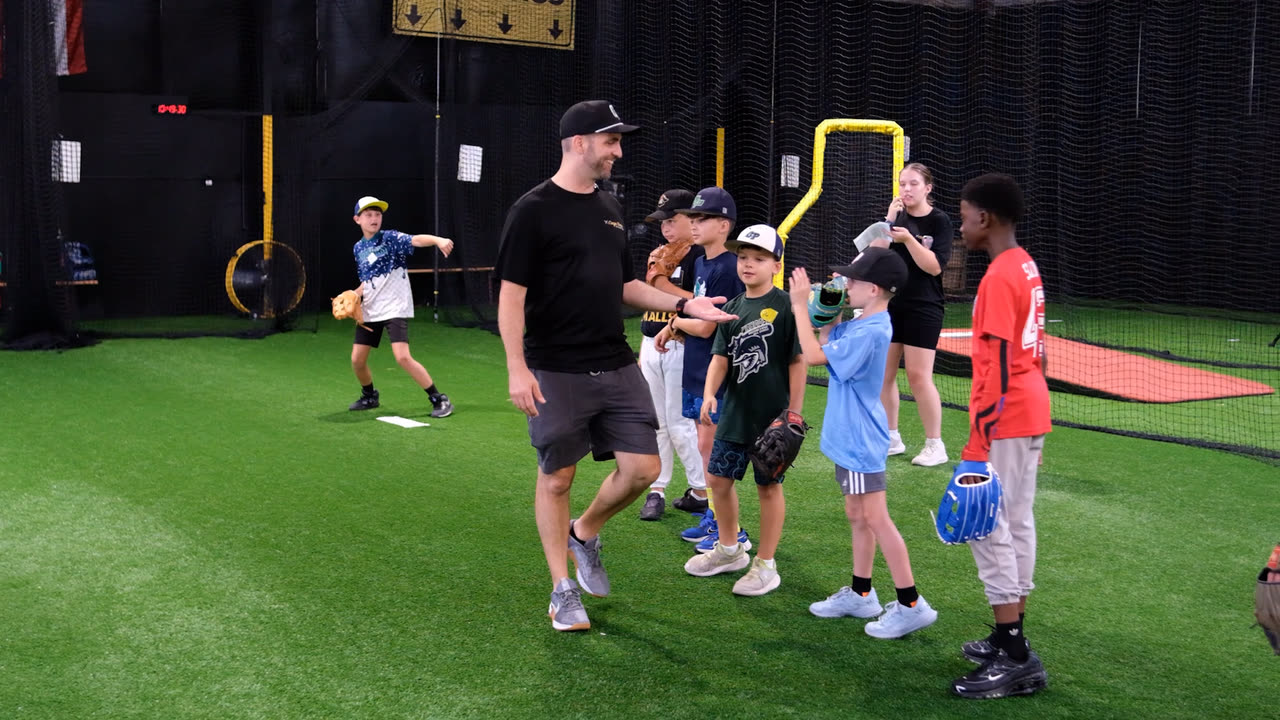
What young athletes really need before playing is dynamic mobility. That means moving through a range of motion, like arm circles, leg swings, and lunges with a twist. This kind of movement warms the muscles, wakes up the joints, and gets the body ready to explode. Save the long, held stretches for after the game when you’re cooling down. Move to warm up, hold to cool down.
A simple pre-game mobility routine
- Arm circles and band work to wake up the shoulders
- Leg swings front-to-back and side-to-side for the hips
- Walking lunges with a twist for the legs and core
- Light jogging and skips to raise the heart rate
- Easy throwing progression that builds up gradually
Protecting the Two Body Parts That Get Hurt Most
In baseball and softball, two areas take the most abuse: the shoulder and the elbow. All that throwing adds up, and if the muscles around those joints aren’t prepared, injuries follow. That’s why we pay special attention to warming up the arm the right way, with a gradual build instead of a few hard throws to start.
We also focus on the hips and core, because a lot of arm problems actually start with tight, weak lower bodies. When the hips can’t rotate freely, the arm ends up doing extra work it was never meant to do. Healthy hips protect the arm. It’s all connected, and a smart warm-up treats the body as one system.

The Cool-Down Nobody Wants to Do
If the warm-up is the part players rush through, the cool-down is the part they skip entirely. That’s a shame, because a few quiet minutes after a game or a hard session pay off big over a long season. The cool-down is where recovery begins.
This is actually the right time for those longer, held stretches we told you to skip beforehand. After activity, gentle static stretching helps muscles relax and can ease the soreness that shows up the next morning. Add some easy walking to bring the heart rate down, and maybe some light shoulder care for the throwing arm. Recovery is training you can’t see. A player who cools down well bounces back faster and is ready to go again sooner, which matters a lot during a packed tournament weekend.
How Quincy Builds Mobility Into Every Session
This is where having a pro on staff really pays off. Our performance training is led by Quincy, a former NFL athlete, and if there’s one thing pro sports drills into you, it’s the value of a great warm-up. Quincy has seen firsthand how proper mobility work keeps athletes on the field and off the injury list.
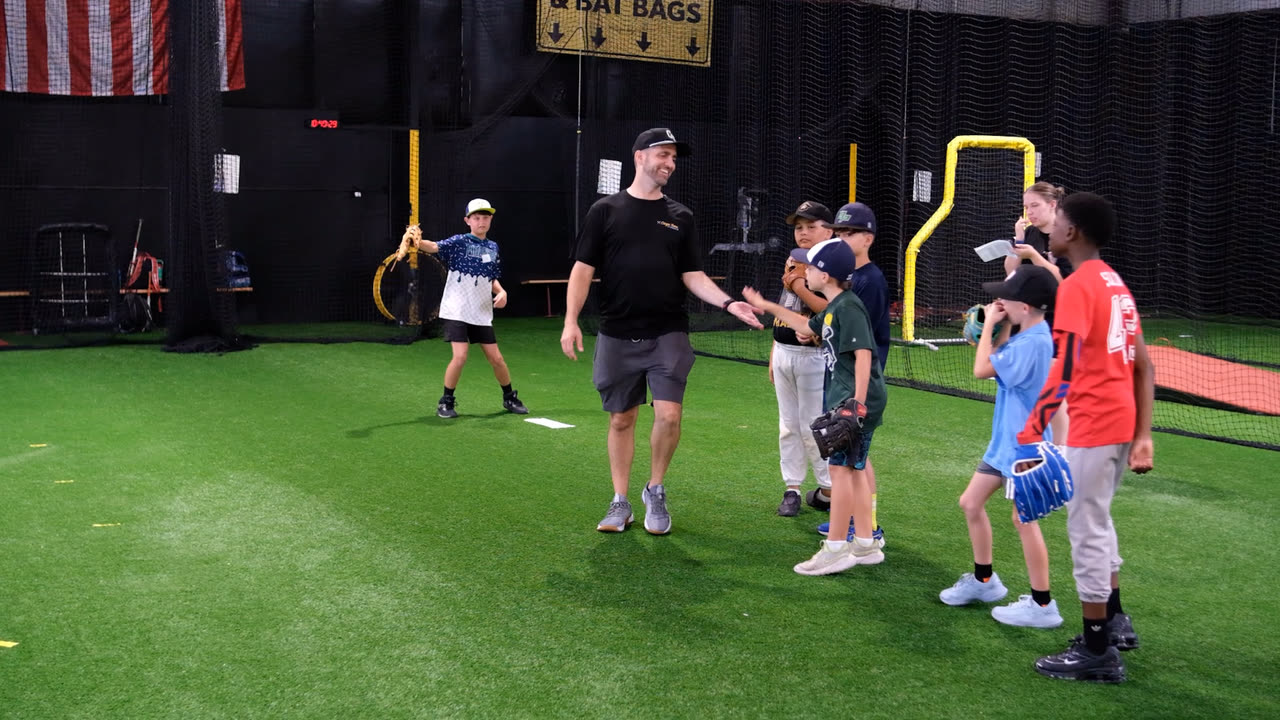
Quincy teaches our young players warm-up habits that will serve them for their entire careers. He makes it fun, he keeps it moving, and he explains why each part matters so kids actually buy in. Good habits early last a lifetime. A player who learns to warm up right at age 10 becomes a durable athlete at 16 and beyond.
What I appreciate most is that Quincy treats the warm-up as real training, not a throwaway. He’s played at the level where one skipped warm-up can end a season, so he passes that respect for preparation down to our kids. They learn early that taking care of your body is part of being a serious athlete, not an optional extra.
Our New Weight Room Makes Warm-Ups Better
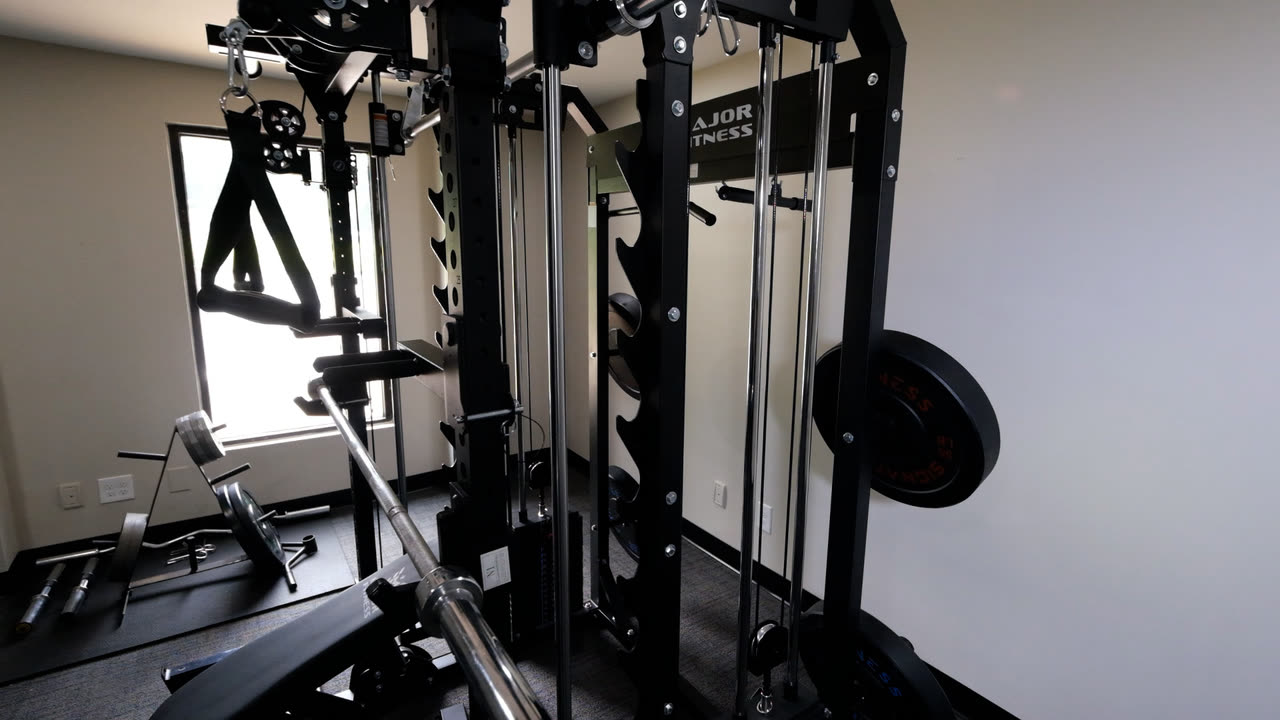
Our brand-new weight room gives us the perfect space to teach proper mobility and strength together. Building strength around the joints is one of the best ways to prevent injury, and now we have a dedicated place to do it right. Quincy uses the space to guide players through movement patterns that keep them loose, strong, and ready to compete.
When mobility, strength, and skill work all happen under one roof, players get healthier and better at the same time. That’s the Cage Time way. Prevention beats recovery every time. Get 1% better every day, and stay healthy enough to enjoy the whole journey.
Keep Your Player Healthy. Book Your Cage Today
An ounce of prevention really is worth a pound of cure, especially with a growing young athlete. Let us teach your player the warm-up and mobility habits that keep them on the field. Book Your Cage by calling or texting (770) 779-9462, visiting cage-time.com, or coming by 4946 Cobb Pkwy NW in Acworth. Find us on Instagram at @cagetimeacworth. We proudly help young athletes from Acworth, Kennesaw, Woodstock, and all of Cobb County play healthy and play strong. Greatness happens in the cage.
Ready to get 1% better?
Book a cage, a lesson, or a membership at Cage Time Acworth.
Book Your Cage